






What Are Common Plastic Pelletizing Problems
Plastic pelletizing troubleshooting focuses on raw materials, feeding, degassing, filtration, and cutting. Recycled plastic can vary between batches, so stable process conditions help maintain consistent pellet quality.
Plastic Pelletizing Troubleshooting Starts With Stable Feeding:
Recycled plastic may contain moisture, ink, labels, sand, or mixed polymers. These materials can affect feeding and extrusion. Therefore, operators should check the feedstock before changing process settings.
Soft film, woven bags, and fibers have low bulk density. As a result, they may bridge inside the hopper or enter the screw unevenly. Worn compactor blades can also reduce feeding efficiency.
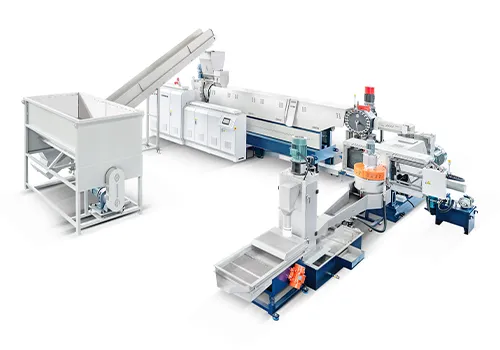
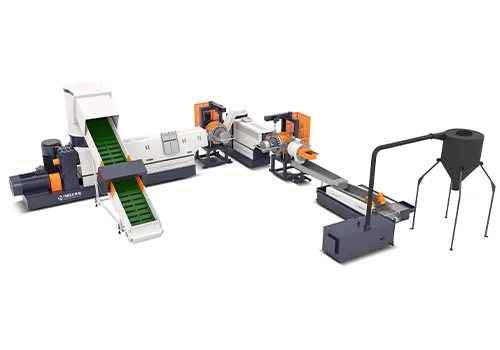
Keep material size and moisture consistent. Meanwhile, adjust the feeding rate according to motor current and melt pressure. A suitable plastic recycling granulator machine should match the material type and required output.
Plastic Pelletizing Troubleshooting for Bubbles And Black Spots:
Moisture and volatile substances can cause bubbles in recycled pellets. Printed film may also contain ink, oil, or residual solvents. First, check material drying. Then, inspect the vacuum pump, pipelines, and exhaust port.
Black spots can result from contaminated feedstock or degraded polymer. Excessive temperature may also burn material inside the barrel. Therefore, improve sorting and washing before pelletizing.
In addition, check heaters and temperature sensors regularly. Proper temperature control helps reduce material degradation.

Plastic Pelletizing Troubleshooting for Screen Blockage:
Frequent screen blockage often indicates excessive contamination or an unsuitable filter mesh. Check the pressure before and after the filter. A rapid pressure increase indicates that impurities are collecting on the screen.
- Material sorting and washing: Reduce contamination before extrusion.
- Pre-filtration: Use a coarser screen before fine filtration.
- Filtration area: Increase filtration area when output requirements increase.
- Filter capacity: Match filtration capacity with production output.
For highly contaminated film, a laser filter system can continuously remove solid impurities. This reduces manual screen changes and supports stable production.
Plastic Pelletizing Troubleshooting for Uneven Pellets:
Uneven pellet size can result from unstable melt pressure, incorrect cutting speed, worn blades, or blocked die holes. Therefore, operators should check the extrusion and cutting systems together.
Adjust cutting speed according to actual extrusion output. At the same time, check blade position and contact pressure. For water-ring pelletizing, keep water flow and temperature stable.
Strand breakage can also result from moisture, contamination, unstable melt flow, or low melt strength. Improve drying and vacuum degassing, and check for incompatible polymers in the feedstock.

Preventive Checks Support Stable Plastic Pelletizing:
Regular inspections help reduce unexpected downtime and identify problems before pellet quality declines.
- Material condition: Check cleanliness, moisture, and particle size.
- Feeding system: Check feeding stability and compactor blade wear.
- Vacuum system: Monitor vacuum level and exhaust port condition.
- Filtration system: Check melt pressure and filter condition.
- Pelletizing system: Inspect die holes, blades, and cooling water.
- Finished pellets: Check size, color, surface, and bulk density.
Finally, keep production records for each material batch. Therefore, operators can compare operating conditions and diagnose recurring problems more quickly.
Purui Machinery develops plastic granulating lines for film, woven bags, rigid regrind, fibers, and other recyclable materials. The equipment can match material conditions, required capacity, filtration, degassing, and pelletizing methods.
FAQ:
Q1: Why do recycled plastic pellets contain bubbles?
A: Moisture, ink, solvents, and poor vacuum degassing can cause bubbles. Check material drying and the vacuum system first.
Q2: How can black spots in plastic pellets be reduced?
A: Improve sorting and washing. Also, control melt temperature and clean the screw, filter, and die regularly.
Q3: Why does the screen changer block frequently?
A: Excessive contamination can block the screen. An unsuitable filter mesh can also increase blockage.
Q4: What causes uneven plastic pellet size?
A: Unstable melt pressure, incorrect cutting speed, worn blades, or blocked die holes can cause uneven pellets.
Why Choose Purui Machinery:
With over 25+ years of expertise and a footprint in over 100 countries, Purui Machinery continues to lead the way in plastic regeneration.

Purui Machinery is a high-tech enterprise specializing in the R&D and manufacturing of plastic recycling machinery. Its product portfolio includes plastic pelletizing lines, washing lines, and crushing equipment. Purui is dedicated to providing global customers with the most efficient, reliable, and intelligent plastic regeneration systems.
Contact Us to Get Your Customized Recycling Solution:
E-mail: [email protected]
Tel / Whatsapp: +8617701563079
Partner with Purui Machinery - Turn your plastic waste into premium-grade sustainable profits.