






Why Do Plastic Granules Have Different Colors and Properties
Plastic granules are widely used as raw materials for extrusion, injection molding, and other plastic processing applications. However, plastic granules from different batches may vary in color, appearance, and processing performance. These differences are usually related to raw materials, plastic types, additives, and recycling processes.
Purui Machinery provides plastic recycling and granulating solutions for different waste plastic materials. During project planning, engineers evaluate raw material conditions and production requirements to select suitable recycling processes and equipment configurations.

Raw Materials Affect Plastic Granule Characteristics:
The source and condition of waste plastics directly influence the quality of recycled plastic granules. Different materials, such as plastic films, woven bags, bottles, and industrial plastic waste, may contain different colors, additives, and levels of contamination.
For example, transparent plastic film and printed plastic film can produce different granule colors after recycling. Mixed materials may also affect batch consistency and processing performance.
Sorting and preparing raw materials before recycling is therefore important. Engineers usually check the material type, contamination level, moisture condition, and final application requirements before designing a suitable recycling solution.
Plastic Types Determine Different Properties:
Different plastic materials have different physical and processing characteristics, which affect the properties of recycled plastic granules.
Common recycled materials include PE, PP, HDPE, PET, ABS, and PC. Each material has different requirements for processing conditions and final applications.
- Material type: Different plastics have different strength, flexibility, melting behavior, and processing characteristics.
- Application requirements: Final products require suitable material properties for their intended use.
- Processing conditions: Extrusion, injection molding, and other production methods influence the selection of suitable plastic granules.
When purchasing recycled plastic granules, confirming the material type and application requirements can help avoid unsuitable material selection.
Recycling Process Influences Plastic Granule Quality:
The recycling process also affects the color and performance of plastic granules. A complete recycling process may include sorting, crushing, washing, drying, extrusion, and pelletizing.
During production, impurities, moisture, and unstable processing conditions can affect the final granule quality. A suitable recycling system helps improve material consistency and maintain more stable recycled plastic granules.
In project communication, engineers may find that some material problems result from insufficient information about raw materials before equipment selection. For example, waste plastics with high contamination levels or mixed materials may require additional sorting and washing before pelletizing.
Evaluating the material source and condition before designing a recycling system is therefore an important part of project planning.
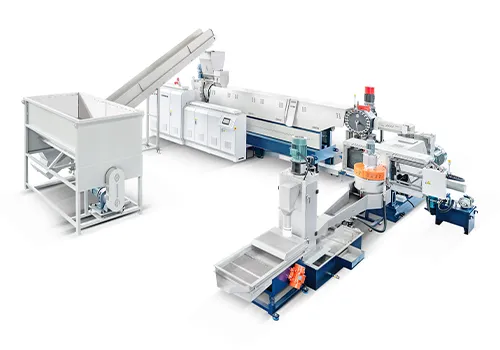
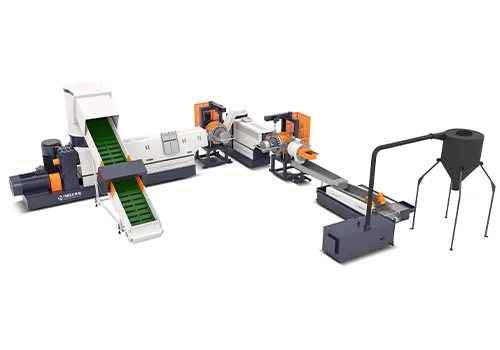
Purui Machinery provides plastic recycling equipment, including recycled plastic granules production solutions and related recycling equipment. Different projects require different equipment configurations according to waste material characteristics and production requirements.
Additives and Processing Control Influence Granule Stability:
Original plastic products often contain colorants and functional additives. During recycling, these components may remain in the material and influence the final color and processing performance of plastic granules.
For example, different pigments can change the appearance of recycled granules, while mixed additives may affect material processing behavior. Unstable production conditions can also cause differences between batches.
Manufacturers therefore need to consider raw material control, recycling process design, and production requirements together. A suitable recycling system can help maintain more stable material quality during continuous production.

Buyers Need to Evaluate Plastic Granules Before Purchasing:
Color is only one factor when evaluating plastic granules. Buyers also need to consider material stability, processing requirements, and supplier capabilities.
Before purchasing recycled plastic granules, manufacturers should confirm:
- Material category and source: Confirm the type and origin of the plastic material.
- Expected product application: Determine how the granules will be used in final products.
- Required processing performance: Check whether the material is suitable for the intended production process.
- Batch consistency requirements: Consider whether stable color and material properties are required between batches.
Clear information about raw materials and final products can help reduce problems during production. Recycled materials can have natural differences because waste plastics come from different sources.
Therefore, selecting suitable plastic granules requires coordination between material suppliers, equipment suppliers, and product manufacturers. For recycling projects that require size reduction and pelletizing, a suitable plastic granulator machine and supporting equipment can be selected according to the characteristics of the waste material.
FAQ:
Q1: Why do plastic granules have different colors?
A: Plastic granules have different colors because raw materials, pigments, additives, and recycling processes affect their final appearance.
Q2: Why do recycled plastic granules have different properties?
A: Recycled plastic granule properties depend on material type, raw material condition, recycling process, and production control.
Q3: Can different plastic materials use the same recycling process?
A: No. Different plastic materials have different characteristics and usually require suitable recycling processes.
Q4: What should buyers check before purchasing plastic granules?
A: Buyers should check material type, application requirements, batch stability, and whether the material matches the production process.
Why Choose Purui Machinery:
With over 25+ years of expertise and a footprint in over 100 countries, Purui Machinery continues to lead the way in plastic regeneration.

Purui Machinery is a high-tech enterprise specializing in the R&D and manufacturing of plastic recycling machinery. Its product portfolio includes plastic pelletizing lines, washing lines, and crushing equipment. Purui is dedicated to providing global customers with the most efficient, reliable, and intelligent plastic regeneration systems.
Contact Us to Get Your Customized Recycling Solution:
E-mail: [email protected]
Tel / Whatsapp: +8617701563079
Partner with Purui Machinery - Turn your plastic waste into premium-grade sustainable profits.